
Global supply chains rely on predictability, but sudden geopolitical events can instantly upend even the most meticulously planned networks. On February 28, 2026, coordinated military operations against Iran triggered an immediate and severe disruption in one of the world's most critical maritime chokepoints.
The resulting closure of the Strait of Hormuz—a narrow, 30-mile-wide channel between Iran and Oman—has sent shockwaves through international trade. What was once the world’s busiest shipping lane has essentially ceased commercial operations. Logistics leaders now face a complex landscape of surging fuel costs, massive transit delays, and cascading impacts across multiple industries.
This post explores the core facts of the Hormuz Crisis. We will examine the staggering drop in vessel traffic, the immediate price impacts on energy and raw materials, and the ripple effects spreading through the hospitality and material handling sectors. Finally, we will outline concrete, actionable steps you can take to protect your supply chain during this volatile period.
The Strait of Hormuz: A Global Supply Chain Chokepoint
To understand the magnitude of this event, we must look at the data. Before this conflict, roughly 138 commercial vessels moved through the Strait of Hormuz every single day. Today, that number has plummeted into the single digits.
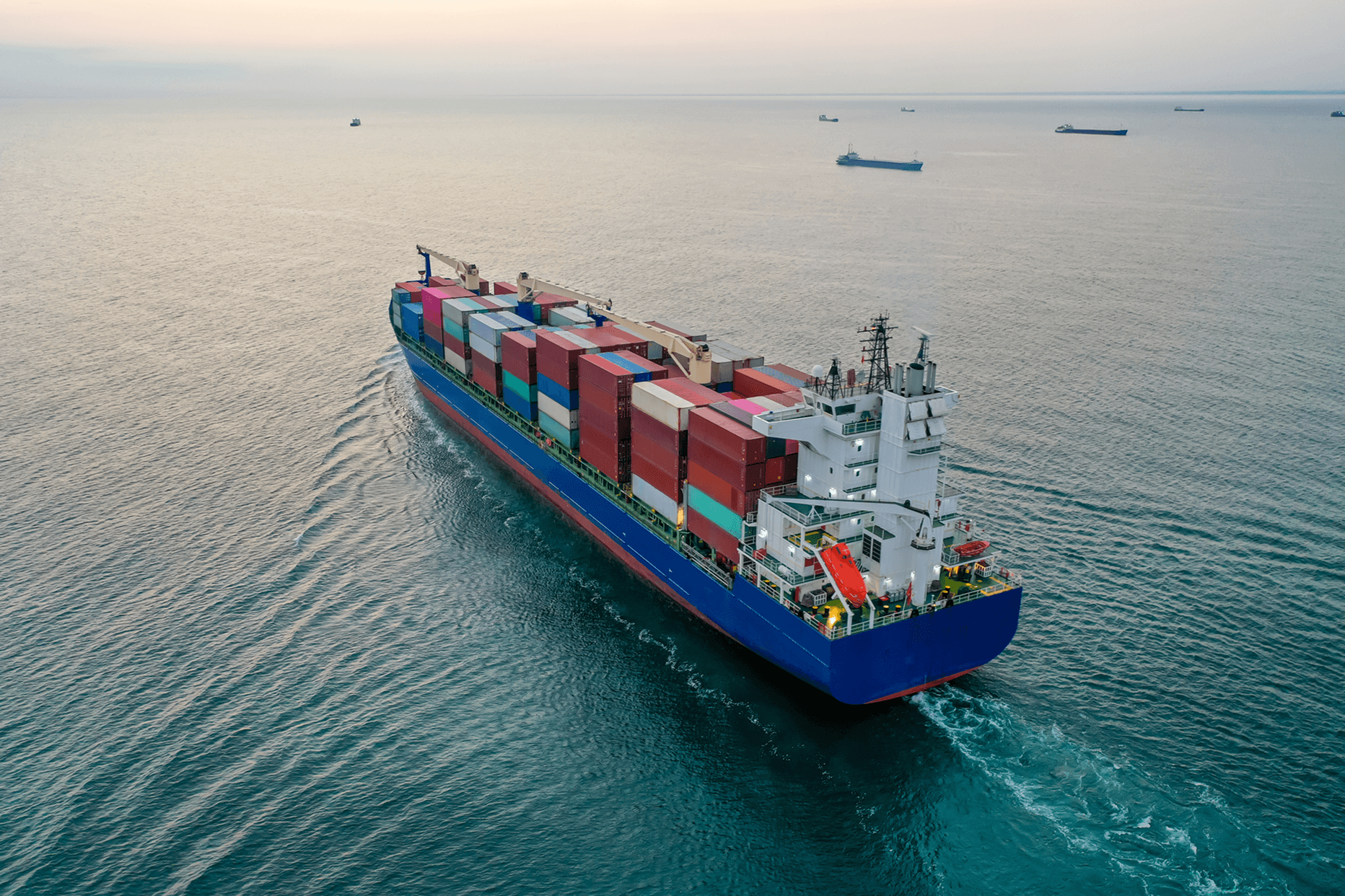
Since March 4, the Islamic Revolutionary Guard Corps (IRGC) has officially declared the strait closed. The situation on the water is highly unstable. Reports indicate incidents involving at least 20 commercial vessels. Meanwhile, over 150 oil tankers sit anchored, waiting for safe passage that may not arrive anytime soon. Recognizing the severe risk, major global ocean carriers like Maersk, MSC, CMA CGM, and Hapag-Lloyd have entirely halted operations in the region.
The financial and material significance of this corridor is massive. Annual trade volumes passing through the strait total $1.3 trillion. It handles 34% of global sulfur exports, 28% of crude oil production, and 20% of the global liquefied natural gas (LNG) supply. Furthermore, 10% of the world’s primary aluminum capacity relies on this route. When a channel of this magnitude closes, the entire global industrial supply chain feels the immediate impact.
Immediate Price Impacts and Energy Volatility
When energy supplies face severe bottlenecks, transportation costs skyrocket. Data from McKinsey, alongside the U.S. Energy Information Administration and Argus Media, reveals sharp and immediate price surges.
Logistics operations are already bearing the brunt of these increases. Diesel prices have shot up by 65%. Jet fuel has spiked a staggering 115%. Gasoline prices are up 34%, with costs at U.S. pumps rising more than 65 cents per gallon almost overnight. Brent crude oil has comfortably breached the $103 per barrel mark.
Even essential agricultural inputs are caught in the crossfire. Urea, a critical nitrogen fertilizer, has jumped 23% in price. To combat this energy shock, the International Energy Agency (IEA) authorized the release of 400 million barrels from emergency reserves. However, this massive release only covers about 20 days of typical throughput, highlighting the severe vulnerability of global energy markets.
The Wider Context: Dual Blockades and Port Congestion
The Hormuz closure does not exist in a vacuum. Concurrently, Houthi forces in Yemen have resumed attacks on Red Sea shipping. We are now witnessing simultaneous blockades across two of the region’s most vital maritime corridors.
Vessels must now reroute around the southern tip of Africa to avoid the danger zones. This massive detour adds 10 to 14 days to standard transit times. The sudden shift in global traffic patterns has overwhelmed alternative ports. Major hubs in Singapore, Sri Lanka, and India are currently battling severe congestion as redirected cargo floods their docks. Ships wait longer to unload, tying up capacity and compounding global freight delays.
Sector-Specific Ripple Effects
The fallout from these dual blockades extends far beyond ocean freight. Leaders across various sectors must understand how this macro-level disruption impacts their specific operational inputs.
Broad Logistics and Agriculture
The timing of this crisis creates a perfect storm for agriculture. Wholesale fertilizer prices at New Orleans jumped from $475 to $680 per metric ton just as the Midwest spring planting season began.
Because the region handles one-third of globally traded fertilizer, this disruption strikes exactly when demand peaks. Analysts warn that these soaring input costs could push U.S. inflation to 3.5–4% by mid-year. Consumers will likely see food prices climb within 60 days as increased farming expenses pass down the supply chain.
Hospitality and Food Systems
The hospitality sector faces a unique set of challenges tied directly to agriculture and transit times. Wholesale and import fertilizer prices rose 10-30% in just a few days. If farmers reduce fertilizer application due to high costs, yields for staple crops like corn, wheat, and soy will fall.
Key food inputs, such as soybean oil, have already hit multi-year highs. Furthermore, longer transit times and higher logistics costs severely pressure profit margins. This margin pressure is particularly brutal for imported ingredients, packaging resins, and temperature-sensitive food items that cannot endure prolonged delays. Economists stress that this is not an isolated commodity spike, but a systematic supply-chain shock impacting food manufacturing and hospitality worldwide.
Material Handling and Equipment
Warehouse and distribution leaders are also feeling the squeeze. The Middle East produces roughly 10% of the world's aluminum, a crucial material for manufacturing forklifts. Extended lead times and input inflation will inevitably drive up forklift pricing and replacement part costs.
Additionally, the region accounts for 20-25% of global LPG exports. As a result, propane prices are climbing in tandem with crude oil. Fleets that rely on propane face immediate operating cost pressures. The broader energy volatility also incentivizes U.S. propane exports, which tightens domestic supply and creates regional availability risks. Ultimately, the cost to move a single pallet within a warehouse is going up, and aging fleets may require expensive, accelerated replacement cycles.
Recommended Actions for Logistics Leaders
Volatility demands decisive action. Logistics professionals must move quickly to protect their networks and manage stakeholder expectations. We recommend the following steps to navigate the coming months.
Enhance Network Agility
Prepare your organization for disruptions lasting at least three to six months. You should anticipate elevated fuel surcharges across all transportation modes. Review your safety stock levels immediately and adjust your delivery timelines to account for the 10-14 day delays caused by African rerouting. Pursue managed transportation solutions that provide real-time visibility, carrier diversification, and dynamic routing capabilities.
Monitor Upstream Metrics for Hospitality
If you operate in the hospitality or food service sectors, watch the fertilizer and energy markets closely. Nitrogen inputs serve as the earliest indicators of downstream food-cost pressures. Communicate proactively with your stakeholders. Make it clear that the current risks center on price volatility and timing, rather than immediate product shortages. Utilize third-party indexing and established price control mechanisms to soften the blow of large price fluctuations.
Secure Material Handling Resources
Warehouse operators must lock in propane supplies wherever possible. Engage directly with Original Equipment Manufacturers (OEMs) to get ongoing estimates for equipment lead times. Evaluate your fleet replacement schedules now, before parts constraints force your hand. Factor these rising material handling costs into your broader logistics planning and budgets for the remainder of the year. Price control mechanisms and third-party indexing will be key to mitigating large price fluctuations during this volatile time.
Moving Forward in a Volatile Market
The Hormuz Crisis presents a formidable challenge for the global supply chain. With vessels rerouting, energy prices spiking, and essential materials delayed, standard operating procedures no longer apply.
Rapid adaptability will dictate which organizations successfully weather this storm. By understanding the broad economic impacts and taking targeted, sector-specific actions, logistics leaders can mitigate risks and keep their operations moving forward. Stay informed, remain flexible, and lean on data-driven logistics solutions to navigate the uncertainties ahead.
How CoreTrust Empowers Your Response
Navigating disruption demands more than awareness—it requires a strategic partner with the leverage, expertise, and infrastructure to turn volatility into competitive advantage. CoreTrust equips logistics leaders with exactly that.
Managed Transportation Solutions: Tech-enabled platforms that streamline freight operations, eliminate bottlenecks, and proactively mitigate delays—even when markets shift overnight.
Real-Time Visibility: Curated analytics delivering comprehensive, up-to-the-minute intelligence across your entire supply chain, so your team makes faster, sharper decisions with full confidence.
Dynamic Routing & Carrier Diversification: SME-led procurement strategies backed by a rigorously vetted supplier portfolio, giving you the agility to adapt instantly to route disruptions and shifting carrier economics.
Through our end-to-end lifecycle partnership model, CoreTrust delivers measurable speed to value—aggregated buying power from 3,700+ members, dedicated category expertise, and a proven framework that moves your organization from risk assessment to tangible savings in weeks, not quarters.
Freight market changes are happening now. Make sure you're ready to benefit from supply chain shifts. Contact CoreTrust today to leverage our reliable logistics partners and maximize value through collective strength.